
Tagline
wearable sensors used for HRV research — a smart shirt with integrated electrodes and a chest strap sensor. Both measure heart rate variability to study the effects of exercise and stress on the autonomic nervous system.
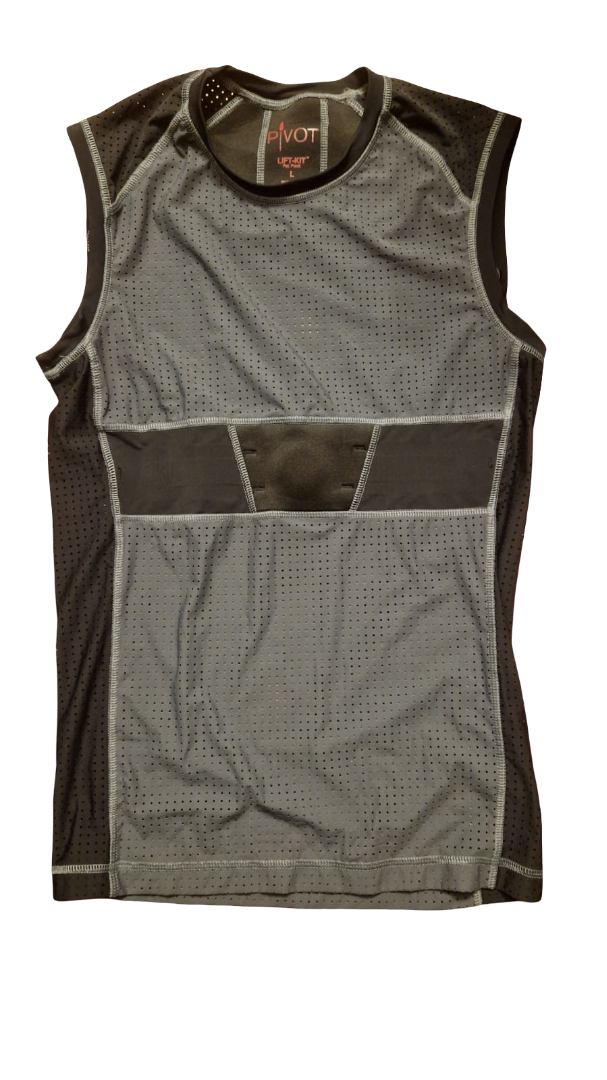
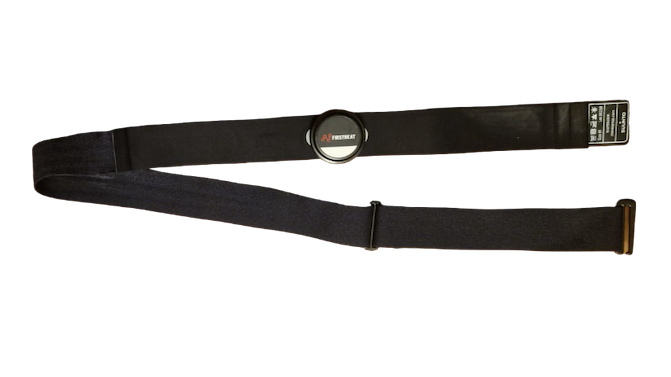
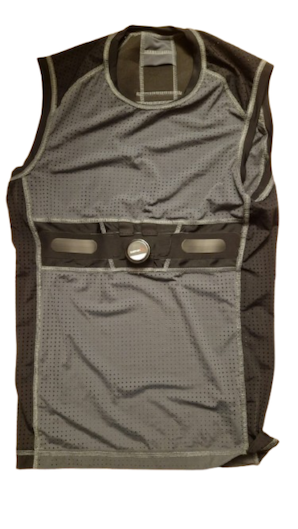
A specially engineered shirt integrated with physiological sensors was utilized to record data from participants engaged in sports and other physical activities, aiming to evaluate the effects on the autonomic nervous system.
Real-time HRV app
A lightweight, real-time engine that streams wearable signals to quantify heart-rate variability (HRV) and surface instant stress and recovery insights. Designed for athletes, clinicians, and wellbeing programs, it delivers actionable feedback and research-grade exports.
What it does
Computes key HRV metrics live (RMSSD, SDNN, LF/HF) with adaptive artifact handling.
Combines HR/PPG with motion, EDA, and skin temperature for context.
Generates on-device stress scores and simple recovery prompts.
Exports structured data (CSV/JSON) and connects to dashboards via API.
How it works
Low-latency pipeline with rolling windows (≈30 s–5 min).
Ectopic beat detection, interpolation, and noise rejection to stabilize metrics.
Privacy-first design: on-device computation where possible; secure sync when enabled.
Use cases
Athlete readiness and training load management.
Workplace stress monitoring and wellbeing programs.
Telehealth / remote patient monitoring.
Academic & clinical research with de-identified exports.
Data & privacy
Encryption in transit and at rest; user-controlled sharing.
De-identified research exports supported.